
Moving within your country? See Moving Your Vehicle: Long-Distance Transport.
This page explains how international vehicle shipping works and what to check before you commit. The details depend heavily on your origin and destination, so use it alongside the IAM Country Guides and your mover’s advice.
Should you ship it at all?
Before anything else, find out whether your vehicle can be imported and registered at your destination, and what it will cost. Many people discover too late that shipping, duties and modifications cost more than the vehicle is worth, or that it cannot be registered at all.
Check these points for your destination:
- Eligibility. Some countries restrict vehicle imports by age, require vehicles to meet local safety and emissions standards, or limit imports of right-hand-drive or left-hand-drive vehicles.
- Duties and taxes. Import duty, value-added or sales tax, and registration taxes can be substantial. Some countries offer relief for people relocating, often only if you have owned and used the vehicle for a minimum period before moving.
- Modifications and inspection. Lights, speedometers, emissions equipment and other parts may need to be changed, and the vehicle inspected, before it can be registered.
- Your own plans. If you may move again or return home within a few years, consider the cost and paperwork of shipping the vehicle back.
Your destination’s Country Guide is the place to start. Confirm the details with your mover and, where needed, the destination’s vehicle registration or customs authority.
Your shipping options
Roll-on/roll-off (RoRo)
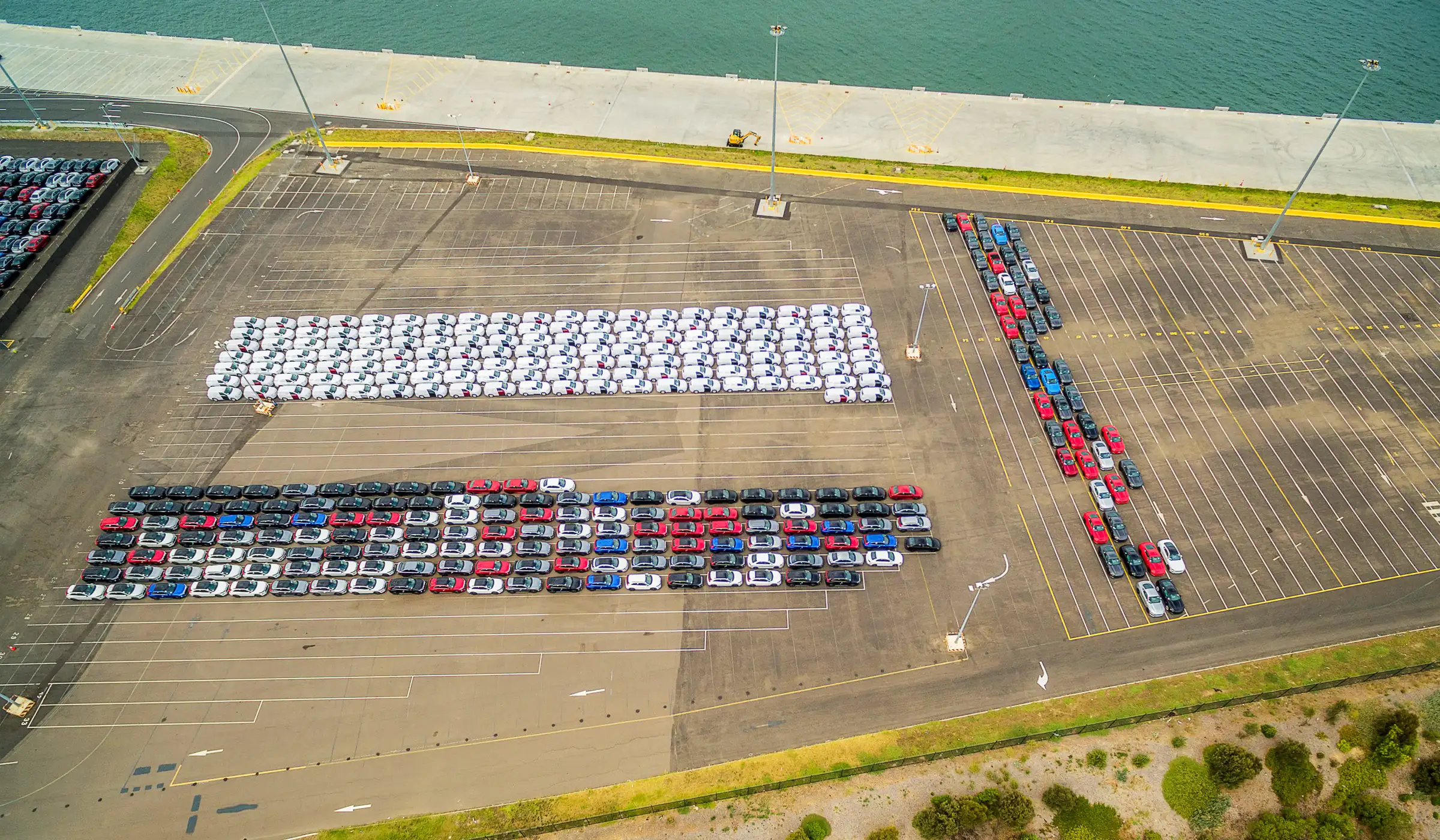
Your vehicle is driven onto a specialized vessel and parked in its vehicle decks, then driven off at the destination port. RoRo is often the most economical option where it is available. The vehicle must be in running order, and it generally must be empty of personal belongings.
Container
Your vehicle is secured inside a shipping container, either on its own, shared with other vehicles, or loaded together with your household goods. Containers offer more protection and allow non-running vehicles to be shipped, but they bring stricter dangerous goods requirements for fuel and batteries.
Air freight
Fast but expensive, and generally used only for high-value or time-critical vehicles. Air transport has the strictest battery and fuel rules of all.
Your vehicle may also need to travel by road between your home and the port at each end. Ask your mover whether door-to-door service is included or whether you will deliver and collect the vehicle at the port.
Fuel, batteries and electric vehicles
Vehicles are classed as dangerous goods for international shipping because of their fuel and batteries. International rules for sea transport, known as the IMDG Code, and for air transport set strict conditions, and shipping lines often add requirements of their own. Ports and authorities enforce them with inspections and penalties, and the shipper is responsible for compliance.
Gasoline (petrol) vehicles in containers. To ship as ordinary cargo, the fuel tank must be empty, meaning drained or run until the engine cannot start for lack of fuel. A vehicle with any fuel remaining must be declared and shipped as dangerous goods, with additional paperwork, cost and limits on how much fuel it may hold. Many shipping lines require photographic proof of an empty tank before loading.
A costly example
In May 2026, police at the Port of Hamburg, Germany inspected a container and imposed a US$50,000 fine because a vehicle inside contained residual fuel and had not been declared as dangerous goods. The container was held until the fine was paid. Authorities had historically overlooked small amounts of fuel, but enforcement is tightening. Read the IAM news report.
Diesel vehicles and RoRo shipments. Different limits can apply to diesel vehicles and to vehicles driven onto RoRo vessels, which generally need a small amount of fuel to be driven on and off. Your mover will tell you the exact requirement for your shipment. Follow it precisely.
12-volt batteries. Batteries must be protected against short circuit, which for container shipments usually means disconnecting the battery and insulating the terminals. Shipping lines may require photographs as proof.
Electric and hybrid vehicles. Under international sea transport rules, vehicles powered by lithium-ion batteries are classed as dangerous goods, and since January 2026 they have their own classification. In practice this means:
- Not every shipping line or route accepts them, and those that do may require dangerous goods declarations and additional charges.
- Charge limits apply. Many shipping lines set a maximum state of charge for EVs at sea, and limits for air freight are stricter still, generally 30 percent or less. Your mover will give you the exact level for your shipment.
- Battery condition matters. Vehicles with damaged, leaking or recalled batteries, flood damage, or battery warning messages are generally refused.
- Hybrids must meet both sets of rules, for fuel and for batteries.
Gas-powered vehicles. Vehicles that run on liquefied or compressed gas must have their tanks emptied and valves closed, under rules your mover will specify.
These requirements change, and they vary by shipping line, route and port. Disclose your vehicle’s fuel type, battery type and condition to your mover at the start, and confirm the requirements in writing before the vehicle is delivered for loading.
Documents and customs
International vehicle shipments typically require:
- Proof of ownership, such as the original title or registration certificate. If the vehicle is financed or leased, written permission from the lender or lessor to export it.
- Export clearance at origin. Some countries require ownership documents to be submitted to customs days before the vehicle can be loaded.
- Import documents at destination, which may include proof of residence or relocation, purchase and ownership dates, and conformity or inspection certificates.
- Your passport or identification, and in some cases your visa or residence permit.
Customs authorities may inspect the vehicle on arrival. Ports charge storage fees for vehicles that cannot be cleared promptly, so have your documents ready before the vehicle arrives.
Preparing your vehicle
- Clean it thoroughly, inside and out, including the underside and wheel wells. Countries with strict biosecurity rules inspect vehicles for soil, seeds, plant material and insects, and will require cleaning or treatment at your expense if they find any. See Hazardous Articles: What Your Mover Can and Can’t Transport.
- Remove personal belongings unless your mover confirms they can travel in the vehicle and are declared. Items left in vehicles on RoRo vessels are generally not permitted.
- Follow your mover’s fuel, battery and charge instructions exactly, and keep photographs as proof.
- Photograph the vehicle from every angle, with the date, and record the odometer.
- Remove toll tags, parking permits and aftermarket accessories that are not secured.
- Provide a full set of keys and any instructions the handlers need.
Protection and claims
Vehicle shipments are usually protected through marine or transit insurance, arranged by your mover through a licensed insurer or by you directly. Check whether the policy covers all risks or only total loss, what the deductible is, and how claims are made. Inspect the vehicle carefully on delivery and note any damage on the delivery receipt before signing. See Liability, Valuation & Transit Insurance and Filing & Managing Claims Tips.
Before you book
- Confirm your vehicle can be imported and registered at your destination, and estimate duties and taxes
- Check the Country Guide for your destination
- Tell your mover the vehicle’s fuel type, battery type, and any damage or warning lights
- Get the fuel, battery and charge requirements for your shipment in writing
- Gather ownership documents early, including lender permission if financed
- Arrange insurance and understand what it covers