
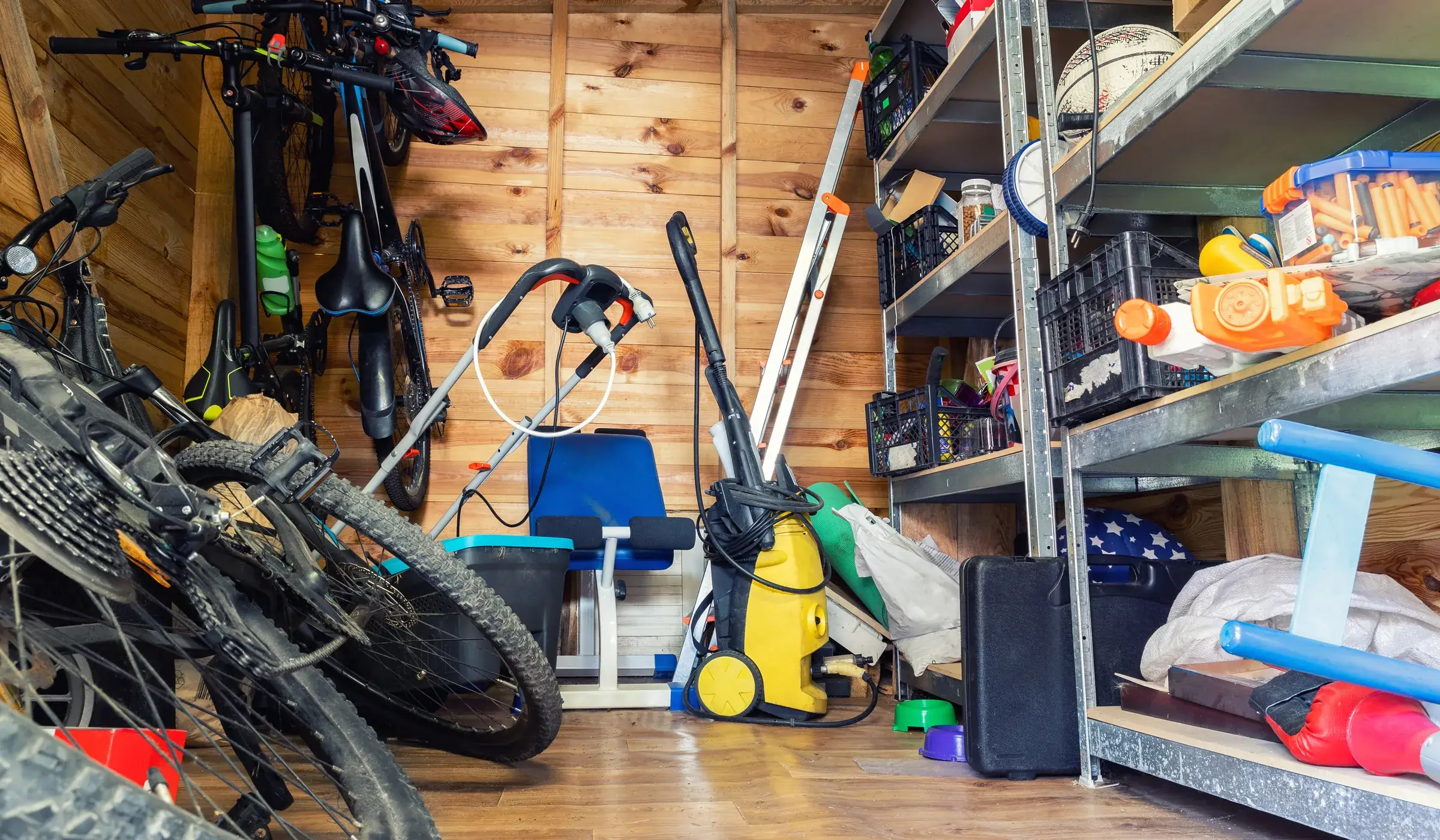
Rules come from several directions at once: safety regulations for road, sea and air transport, your mover’s insurance and contract terms, and the import laws of your destination. The details vary by country and by how your goods travel, so this page focuses on the categories that matter everywhere. Ask your mover for its list of prohibited and restricted items for your move, and review it carefully.
Four questions for every item
As you sort your belongings, ask which group each item falls into:
1
Can it go at all?
Hazardous materials such as fuels, explosives and corrosive chemicals generally cannot be shipped with household goods under any circumstances.
2
Does it need preparation?
Some items can go only after they are emptied, cleaned, drained or disconnected, such as lawn mowers, grills and outdoor equipment.
3
Should it travel with you?
Valuables, important documents, medication and anything you will need right away belong with you, not in the shipment.
4
Is it allowed where you’re going?
Items that are legal and safe at home may be restricted, taxed or prohibited at your destination.
Hazardous materials
These items can catch fire, explode, leak or react inside a closed vehicle or container, endangering crews, other customers’ belongings and the public. Transport safety regulations generally prohibit movers from carrying them in a household goods shipment, and they are typically excluded from mover liability and insurance.
Flammables and combustibles: gasoline, kerosene, lighter fluid, paint, paint thinner, varnish, lamp oil, charcoal lighter fluid, matches and nail polish remover.
Compressed gases: propane tanks, camping gas cylinders, scuba tanks, oxygen tanks, fire extinguishers, and aerosol cans such as spray paint and some cleaning products.
Corrosives and reactive chemicals: acids, bleach, drain cleaners, pool chemicals, car batteries and some household cleaners.
Explosives: fireworks, flares, ammunition, black powder and blasting caps.
Poisons: pesticides, herbicides, rat poison, weed killer and strong fertilizers.
What you can do:
- Use them up before the move, or give them to a neighbor or friend.
- Dispose of them properly. Many communities run household hazardous waste collection points; never pour chemicals down the drain or put them in household trash.
- Replace them at your destination. Most are inexpensive and easy to buy again.
Firearms are a separate matter. Even where they are legal to own, moving them is tightly controlled, often requiring permits at both origin and destination, and many movers will not carry them. Ammunition is a hazardous material and cannot go in the shipment. Discuss firearms with your mover well in advance.
Don’t hide it in a box.
Packing a prohibited item in a carton your mover can’t see doesn’t make it safe; it makes it more dangerous. If a concealed item causes a fire, leak or damage, you may be held responsible for the harm it causes, and your own claim for loss or damage may be denied.
Lithium batteries
Lithium batteries power phones, laptops, tablets, cameras, cordless tools, power banks, e-bikes, e-scooters and many other devices. They are generally safe in normal use, but a damaged, defective or short-circuited battery can overheat and catch fire, and those fires are difficult to put out in a sealed container.
Rules for lithium batteries depend on battery size, whether the battery is installed in a device or packed separately, and how your goods are shipped. Air shipments carry the strictest limits. Your mover will tell you what applies to your move, but expect the following:
- Damaged, swollen, leaking or recalled batteries cannot be shipped. Recycle them through an approved collection point.
- Spare batteries and power banks often must travel with you or be packed according to specific instructions, with terminals protected against short circuits.
- E-bikes, e-scooters and other large batteries may face additional restrictions, require the battery to be removed or partially discharged, or need to be shipped separately. Tell your mover about them at your survey, or show them clearly if your survey is by video. See Video Surveys.
- Phones, laptops and tablets are usually best carried with you, both for safety and because you will need them during your move.
Plants, pests and biosecurity
Many countries, and some regions within countries, enforce strict biosecurity rules to keep out insects, plant diseases and invasive species that could damage crops, forests and native wildlife. Inspectors may examine your shipment on arrival, and items found carrying soil, insects or plant material can be cleaned, fumigated, treated or destroyed, usually at your expense and often with delays.
Items that commonly draw attention include:
- Outdoor and garden items: lawn mowers, garden tools, outdoor furniture, barbecues, planters, bicycles, sports equipment, camping gear and children’s outdoor toys. Clean all soil, mud, seeds, leaves, spider webs and insect egg masses from them before packing.
- Footwear and equipment used outdoors, such as hiking boots, golf shoes, and fishing or hunting gear.
- Plants, seeds, bulbs, cut flowers and soil, which are restricted or prohibited in many destinations without permits and inspection.
- Food: fresh, perishable and many packaged foods, especially meat, dairy, eggs, fruit, nuts and seeds.
- Natural materials: untreated wood, wicker, bamboo, straw, dried flowers, and items made from animal products such as feathers, shells, bone, skins or hides.
Live animals are never shipped with household goods. This includes pets, reptiles, fish, birds and insects. Pets travel separately with specialist pet transport services under their own health, vaccination and quarantine requirements, which can take months to arrange.
Protected species. Items made from endangered animals or plants, such as ivory, tortoiseshell, certain corals, furs, exotic leathers and some hardwoods, may require permits under international wildlife trade rules, or may be prohibited from crossing borders entirely, even if you owned them legally for years.
ISPM 15: Wood packaging rules
Wooden pallets, crates, skids and bracing used to pack and ship goods can carry wood-boring insects and disease. To stop their spread, most countries follow an international standard known as ISPM 15 (International Standards for Phytosanitary Measures No. 15).
Under ISPM 15, solid wood packaging used in international shipments must be heat-treated or fumigated to an approved standard and stamped with an official mark. The mark includes the logo of the International Plant Protection Convention (IPPC), a country code, a producer number and a code for the treatment used. Processed wood products, such as plywood and particleboard, are generally exempt.
For most international moves, your mover is responsible for using compliant crates and pallets. It matters to you in two situations:
- If you build or supply your own crates, for artwork, antiques, furniture or equipment, they must meet ISPM 15 if they are made from solid wood.
- If non-compliant wood packaging is found at the border, it can be treated, removed or destroyed, and your shipment can be held, with the costs and delays falling on the shipment.
Ask your mover to confirm that all wood packaging used for your shipment carries the ISPM 15 mark.
Restricted by your destination
Every country decides what may be brought across its borders, and some rules surprise people who are moving for the first time. Items that are completely legal at home may be prohibited, restricted, heavily taxed or subject to inspection where you are going. Depending on the destination, restrictions may apply to:
- Material considered offensive or objectionable, including content some countries classify as pornographic, blasphemous, politically sensitive or contrary to public morals. Definitions vary widely, can be much broader than you expect, and may cover books, magazines, artwork, films and digital media such as hard drives, DVDs and devices.
- Religious materials, in quantities or forms some countries may consider intended for distribution.
- Alcohol, tobacco and certain foods, which may be prohibited, limited in quantity or subject to duty.
- Medication, including some prescription and over-the-counter medicines that are controlled or banned in certain countries, even with a prescription.
- Weapons and similar items, including firearms, knives, swords, martial arts equipment, replica or antique weapons, and military items.
- Electronics and communications equipment, such as drones, radio transmitters, satellite phones and some specialized equipment that may require permits.
- Antiques, artwork and cultural property, which may require export permits from your origin country as well as import clearance at your destination.
- Vehicles, which typically have their own import rules, inspection requirements and duties, separate from your household goods.
Customs authorities may inspect your shipment, and prohibited items can be confiscated, delay the clearance of your entire shipment, and result in fines or more serious penalties.
Check the rules for your destination. The IAM Country Guides summarize import documents, duties and taxes, prohibited and restricted items, and customs procedures for countries around the world. Review the guide for your destination early in your planning, and confirm the details with your mover, who handles shipments to that country regularly.
What happens if a restricted item is found
Depending on the item and where it is found, consequences can include:
- The moving crew declining to load it, or setting it aside, on moving day
- Removal and disposal of the item
- Delays in delivering your entire shipment
- Cleaning, fumigation or treatment charges
- Confiscation by customs or biosecurity authorities
- Fines or legal penalties
- Loss of protection under your valuation or insurance for damage the item causes
Most of these can be avoided by sorting early and asking questions.
Before you pack
- Ask your mover for its list of prohibited and restricted items, and read it before you start packing.
- Tell your mover about any item you are unsure of at your survey, including batteries, outdoor equipment, firearms, alcohol, plants and valuable collections.
- For international moves, review the Country Guide for your destination.
- Clean outdoor items thoroughly and dispose of hazardous materials before moving day.
- Set aside the items you will carry with you so they are not packed by mistake.
For more on planning your move from the start, see Pre-Planning Your Move. To understand how items and their packing affect what your mover will pay if something goes wrong, see Liability, Valuation & Transit Insurance. Items that need special handling can also affect your price; see Understanding Moving Estimates and Contracts.